
Cynthia Torres - District 7
1. Why do you want to be on the School Board?
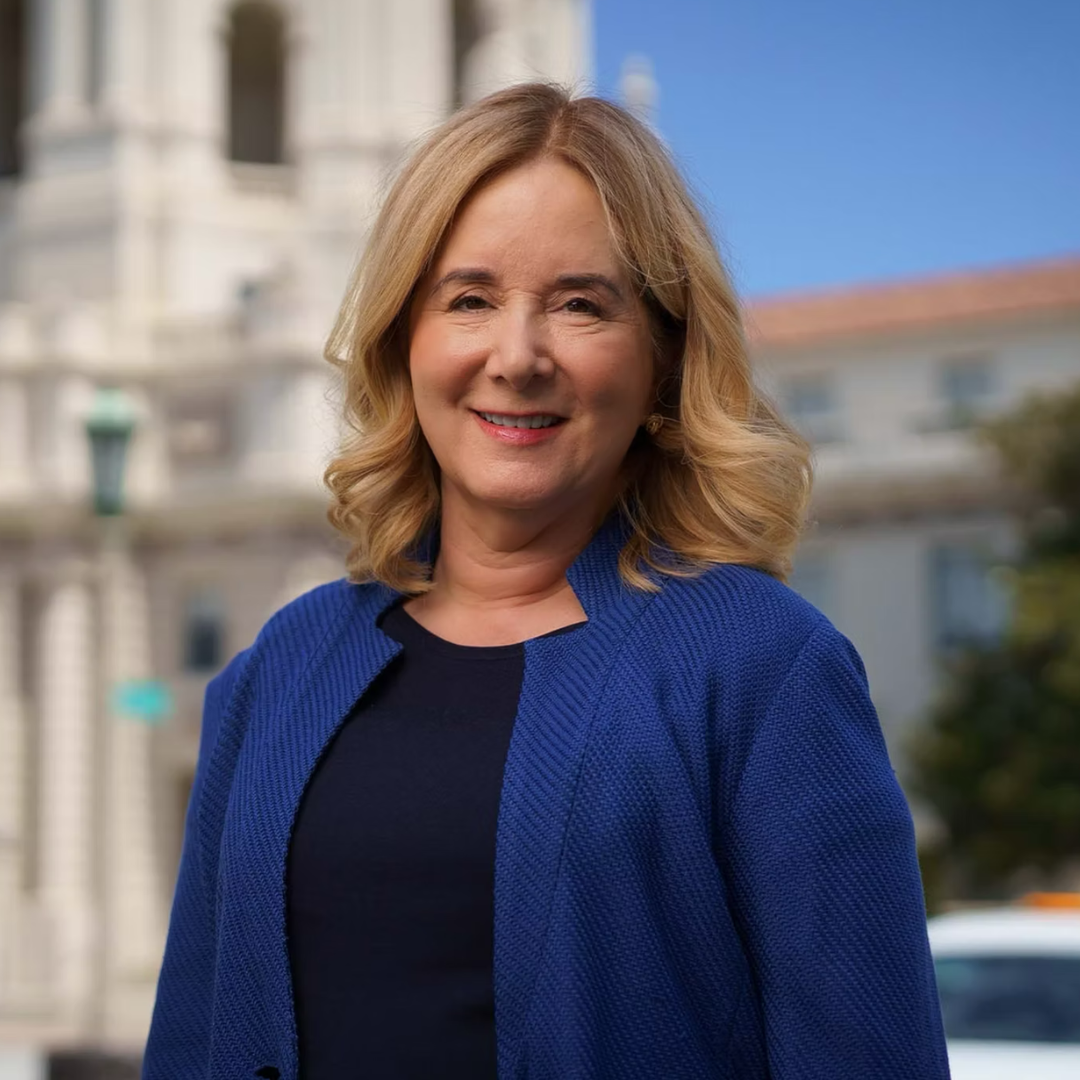
I am running for the Pasadena Unified School District (PUSD) Board of Education, District 7 because the District is at an important financial and strategic crossroads. Declining enrollment, the end of one-time pandemic funding, rising costs, and the impact of the Eaton Fire have created pressures that require wise leadership.
I have spent over a decade contributing to strong school district financial management practices, developing revenue strategies, studying enrollment projections, meeting with auditors and investment bankers, and recommending action steps to bolster the district’s financial standing. I have also spent my career helping students identify, prepare for, and successfully pursue exciting opportunities beyond high school.
PUSD deserves the best. Our wonderful students deserve a school district that is financially strong, forward-thinking, and focused on preparing every student for what comes next. I am running for the PUSD Board of Education, District 7 because I know what it takes to help students plan for their futures - and I know what it takes to help a school district plan for its own. I’m ready to put my experience to work for our students, families, and community.
2. What qualities do you have that will make you an effective board member?
Deep experience with school district finance: My commitment to public education includes 12 years of hands-on service in two school districts, including here in Pasadena:
From 2018-2019, I served on PUSD’s Citizens Oversight Committee, where I brought my experience in financial oversight, stewardship, and accountability to our community.
From 2004-2015, I served on the Santa Monica-Malibu Unified School District’s Financial Oversight Committee (FOC), including two years as its chair, overseeing a $220 million budget. I worked collaboratively with the district’s Chief Financial Officer and assisted the district in educating the public about school finance issues. I also chaired the Committee’s Revenue Generation group, researching new ways for school districts to strengthen their financial resources. My work contributed to the adoption of centralized fundraising, bond measures, parcel taxes, an enhanced sales tax, improved asset management, and a powerful joint use agreement with the Cities of Santa Monica and Malibu that today generates $12 million annually for the school district. I received the FOC’s first award for extraordinary service to the community.
Board governance skills and leadership skills: I have served collaboratively on a large number of school, school district, and university boards and committees:
In 2014-2015, I served as the President of the Harvard Alumni Association (HAA), chairing a 400+ member global board. In addition to chairing HAA board meetings, this role involved global travel with the Harvard University President for a year; every time she traveled to meet with large alumni audiences, I would emcee those events. I have a long record of Harvard alumni service, including chairing its Harvard Clubs and Shared Interest Groups Committee; the Harvard Alumni Awards Committee; and a Harvard Careers Office task force on the topic of students, alumni, and careers. For five years, I chaired a group that involved over 1,000 Harvard undergraduates and hundreds of alumni during Harvard’s two-week Winter session on campus. I was the first Harvard Alumni Association President from the West Coast in over 20 years, and only its 10th woman to have ever served in this role.
In 2006-2008, I served as the President of the Harvard Club of Southern California, which has 32 members on its board. This Club has over 20,000 Harvard alumni who live and work in our four-county region.
I was elected to three terms on my sons’ school’s Site Governance Council, including two terms as the chair. I worked closely with the school principal on the school’s successful application to become a California Distinguished School.
Expertise in college admissions: I am the president of College Decisions LLC, a Pasadena-based educational consulting firm I founded in 2010. As a Certified Educational Planner, I advise students and families around the world on academic planning, selective college admissions, financial aid, scholarships, and the transition from high school to higher education. I also serve as a college access counselor for College Match Los Angeles, a Community Based Organization. Whether the student’s aim is the military, the work force, community college, or a four-year university, I want to help them prepare for their future and support their path.
High quality education: I am a graduate of Harvard College (B.A.) and Harvard Business School.
3. What do you see as PUSD’s greatest opportunities and challenges?
PUSD in located in a vibrant and interesting community that has been very generous to our district with school construction bonds and a parcel tax. We have a diverse student body and wonderful employees. PUSD offers a wide range of programming choices for families. PUSD is challenged by declining birth rates and lack of affordable housing for families. The aftereffects of the pandemic and the Eaton Fire are still with us, shown by continuing high absenteeism and greater mental health needs. And there is uncertainty in future state funding as we change governors and face economic challenges in the state and country.
Budget realities, enrollment projections, and consideration of our bond rating (Aa3 from Moodys Investors Service)
Consideration of the community’s prime concerns (a district-wide process with our stakeholders that should be launched and accomplished this academic year)
Revenue generation strategies, such as developing plans for PUSD’s vacant and underutilized properties.
In my view, there is no urgent need to consolidate schools this year. The school district has received a positive certification from the Los Angeles County Office of Education and discussions led by the Chief Business Officer suggest that PUSD is performing better than expected (although it is still deficit spending). Without the urgent need to consolidate schools at present, PUSD should use this time to work with the community and identify important priorities. PUSD needs a long-term financial strategy that reflects the realities of enrollment, expenses, and available resources.
I will focus on:
Strengthening long-term budget planning.
Examining spending and financial assumptions carefully.
Protecting the District’s ability to sustain essential programs over time.
Ensuring that major financial decisions are grounded in sound analysis.
A related point is the need for the school district to build new revenue. PUSD should not limit its thinking to the revenue it receives today. As chair of a school district revenue generation group for the Santa Monica-Malibu Unified School District, I researched strategies used by districts throughout California to expand their financial resources. I want to bring that experience to PUSD.
I will pursue revenue generation opportunities involving:
Strategic “unrestricted” fundraising in concert with the PEF. [The value of unrestricted fundraising is that it can be used to help fund the district’s operating budget.]
Corporate and philanthropic partnerships and sponsorships.
Asset management opportunities.
Deeper partnerships and expanded joint use agreements with our municipalities: Pasadena, Altadena, and Sierra Madre.
New approaches to attracting outside investment in PUSD.
Focus on student attendance, such as an aggressive student attendance campaign.
4. A characteristic of an effective school board is that it allocates resources to the greatest needs. Given the ongoing budget concerns and declining enrollment, what are your top funding priorities?
My major funding priority is to ensure that PUSD maintains control over its budget and operations by continuing to receive positive certifications from the Los Angeles County Office of Education. Another major concern is that PUSD’s bargaining units receive pay raises that are at least in line with those of our peer districts.
I will advocate for these priorities:
Financial sustainability: PUSD needs a long-term financial strategy that reflects the realities of enrollment, expenses, and available resources.
Building new revenue strategies: PUSD should not limit its thinking to the revenue it receives today.
Expanding college and career opportunities: Students should graduate from PUSD with the academic and career preparation and guidance to pursue the future they want.
5. As a school board member, how would you ensure that PUSD is meeting the needs of ALL students and their families?
As a board member, I will work collaboratively with the Board, the Superintendent, and the District staff to ensure that PUSD is meeting the needs of all students and their families. This involves attention to the following:
Clear, frequent communication with students and families.
Clear methods of receiving input from students, families, and the community on decisions before they are made which can lead to compromise; and then communicating to students, families, and the community on how their input affected the final decision.
Measurement of progress against goals.
Asking pertinent questions before votes and researching important questions that come before the board for a vote; listening carefully to guidance; and thinking critically about what is needed.
Initiating projects for the Board’s consideration when that is important and relevant.
Regularly review and report data disaggregated by race, income, English-learner status, housing status (including students experiencing homelessness), and foster youth status - not just district averages.
Direct funding, staffing (counselors, nurses, and intervention specialists) and facilities investment toward schools and students with the greatest need. This point is important given PUSD’s budget cuts, where the risk is that cuts land hardest on the students who can least absorb a loss of services.
Use student and parent surveys systematically, and do not just rely on public comment at meetings. Actively reach out to families who don’t typically engage with the district.
Provide translation services and interpretation at every meeting.
Meet families where they are, such as PTA meetings, and school events, instead of expecting them to show up to 6 p.m. board meetings.
Partner with community-based organizations that already have trust with underserved populations.
Take into account that PUSD is competing for students with charter schools, independent schools, and parochial schools, and that our schools and programs must be distinctive and excellent when compared to those of our competitors.
When hiring contractors charged with conducting a community input process, make sure that the contractors have expertise in clear communications and that they welcome input from diverse audiences.
6. What is the role of the school board in relation to keeping the Superintendent and the district executive leadership accountable?
The Board sets goals for the Superintendent and measures the Superintendent against the stated goals. The Superintendent directs the district’s staff and holds them accountable. The Superintendent should be held accountable for family-needs and student-needs metrics (not just academic goals) including school climate survey results, service delivery to high-need subgroups, and complaint/compliance trends in special education.
7. PEN and other parent organizations serve as intermediaries between the district and families. How would you use those relationships, and what would you expect from organizations like PEN in return?
PEN is a trusted resource in the community. It provides valuable events, materials, and sources of information and support for families seeking information about the District. It is to the District’s advantage to confer regularly with PEN, its staff, and its Board to ensure alignment with key goals.
PEN sits on vital decision-making bodies in PUSD and as such, has a current, well-informed read on what parents care about. One suggestion is for PEN to assist with district surveys and input about community concerns. As a board member, I would benefit from regular check-ins with PEN to learn how parents are reacting to current issues such as PUSD’s ongoing budget cuts and the school consolidation conversation.
I understand that if PEN brings me a concern from their committee work, the implicit expectation is that I will act on it and not simply listen. PEN is an important stakeholder in PUSD, and if elected, I will make a point of showing up to PEN events and being responsive to PEN feedback.
8. What experience do you have working collaboratively with different kinds of people and how would you build consensus among your fellow board members and the diverse stakeholders that make up our school district?
I have extensive board leadership experience working with diverse stakeholders and working collaboratively with colleagues:
In 1997-1998, I was the President of the Financial Women’s Association of Hong Kong, where I built consensus among board members from 14 nations. I was the first American to serve in this role.
In 2014-2015, I was elected to serve as the Harvard Alumni Association President, presiding over a board of over 400 members globally. Prior to that, I had amassed a long record of Harvard alumni leadership service, chairing numerous committees and working with colleagues and Harvard staff members and administrators across the nation and around the world.
In 2010-2012, I was the elected chair of the Financial Oversight Committee of the Santa Monica-Malibu Unified School District, where I worked closely with the other members of this appointed group, the Board of Education, and especially the district’s Chief Financial Officer.
9. If you have children, where do they attend school, or if they’ve graduated from high school, where did they attend school?
My two sons are in their 30’s, and they grew up in Hong Kong and Santa Monica. My older son graduated from Harvard College (BA) and from Georgetown University (MBA), and my younger son graduated from Carnegie Mellon University (BS).
Learn more about Ms. Torres at her website: https://www.torres4pusd.com/