
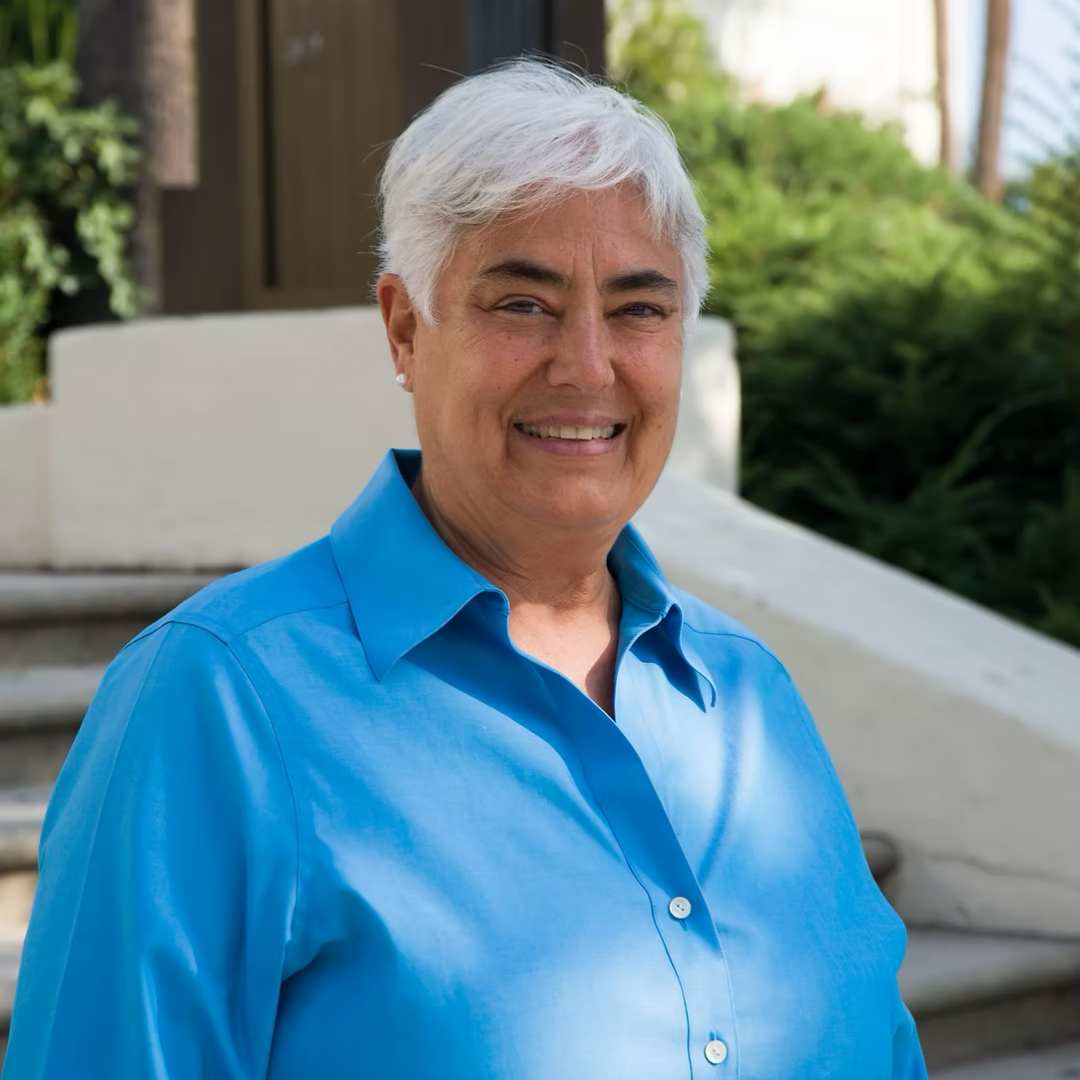
Kim Kenne - District 1
1. Why do you want to be on the School Board?
I first started attending board meetings in 2003 as a parent who had some issues at my kids’ school site. I continued attending board meetings as an observer for six years. What I noticed was that board members asked very few, if any, questions when they were given presentations. And as an involved parent, I knew there were questions that needed to be asked. So, I ran for the board in 2011 to ensure that questions are asked and explanations given when the board and district make decisions for students.
2. What qualities do you have that will make you an effective board member?
My willingness to do the work. I’m willing to put in the time needed to review board meeting materials and consider the issues. Not to mention attending fairly lengthy meetings as well as serving on board committees.
My constituent service. I answer all emails I receive and am happy to talk with parents and community members directly as well. I attend almost all parent advisory committee meetings and talk with parent and employee leaders regularly.
My desire to see that all students have the chance to succeed. The promise of public education to provide an education for all students only matters if our board ensures that the promise is kept in our district. This means ensuring that funding for students at risk is spent on services and programs for those students. It means monitoring student outcomes and asking for answers when achievement gaps are not closing. My background in information technology and the finance industry gives me the skills needed to do this work.
3. What do you see as PUSD’s greatest opportunities and challenges?
PUSD in located in a vibrant and interesting community that has been very generous to our district with school construction bonds and a parcel tax. We have a diverse student body and wonderful employees. PUSD offers a wide range of programming choices for families. PUSD is challenged by declining birth rates and lack of affordable housing for families. The aftereffects of the pandemic and the Eaton Fire are still with us, shown by continuing high absenteeism and greater mental health needs. And there is uncertainty in future state funding as we change governors and face economic challenges in the state and country.
4. A characteristic of an effective school board is that it allocates resources to the greatest needs. Given the ongoing budget concerns and declining enrollment, what are your top funding priorities?
First and foremost is funding for instructional needs. This starts with the teachers and aides in the classroom but also covers instructional coaches, good site leaders and dedicated staff working for our students with disabilities, English Learners and Foster Youth.
Next is funding for student engagement. This means funding the arts (all types), electives, athletics and clubs, as well as after school programs. These activities ensure that students are engaged and keeps them coming to school. It is also important to fund services that help engage parents such as community assistants.
Lastly is funding for school and district operations. We need a solid foundation of clean and safe buildings, efficient offices, timely hiring and timely payments to our staff and our vendors.
5. As a school board member, how would you ensure that PUSD is meeting the needs of ALL students and their families?
The board should ensure that there is a focus on closing all achievement or opportunity gaps so that all students are being served. We need to understand if our budget reflects our values and whether the funds are allocated in alignment with student need.
6. What is the role of the school board in relation to keeping the Superintendent and the district executive leadership accountable?
The board’s role is to define the “what” – what are the values and goals for the district. Then the superintendent and staff are responsible for the “how” – the implementation of those values and goals. Then the board needs to monitor whether goals are being achieved and ask for changes if they are not.
7. PEN and other parent organizations serve as intermediaries between the district and families. How would you use those relationships, and what would you expect from organizations like PEN in return?
Having partners like PEN in our work is one of the benefits for Pasadena Unified. It is great to have organizations like PEN that can help parents with information and networking and be trusted by parents as an independent voice for public education. I’ve always found that our partners are great sources of information from parents on the ground, which is very helpful. And organizations such as PEN make great thought partners in district planning.
8. What experience do you have working collaboratively with different kinds of people and how would you build consensus among your fellow board members and the diverse stakeholders that make up our school district?
I’ve found that being on parent committees and the board in Pasadena Unified has exposed me to many people with a variety of backgrounds and experiences. I have found that extremely helpful since my family only represents one type of experience in the school district and having the viewpoints from others helps our solutions be better. I think if we lead with our shared values, then difficult discussions will be somewhat smoother since we have that common foundation.
9. If you have children, where do they attend school, or if they’ve graduated from high school, where did they attend school?
My children attended Burbank, Longfellow, Eliot and Blair.
Learn more about Ms. Kenne at her website: https://kenneforpusd.com