
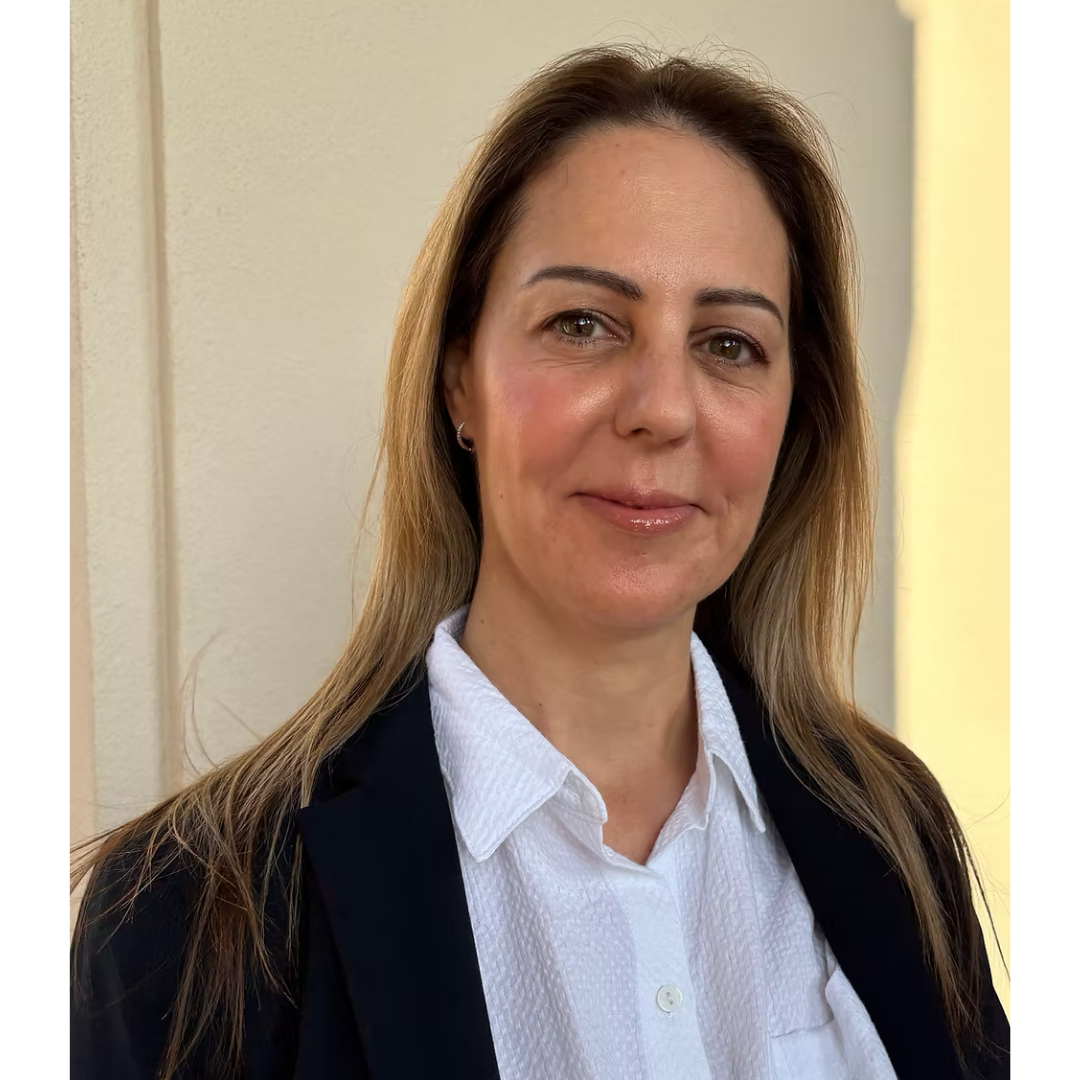
Veronica Elias - District 3
1. Why do you want to be on the School Board?
I want to serve because PUSD needs experienced leadership that understands how board decisions affect students in the classroom. As both a current PUSD parent and working educator, I bring a personal and professional perspective. I want to help stabilize the district, improve student learning, and rebuild community trust.
2. What qualities do you have that will make you an effective board member?
I am thoughtful, collaborative, and willing to ask difficult questions. I understand school budgets, instruction, staffing, and accountability, but I also understand that a board member’s role is to govern—not manage daily operations. I value data-driven decision-making and believe district leaders must be held accountable for producing measurable outcomes for students.
3. What do you see as PUSD’s greatest opportunities and challenges?
PUSD’s greatest strengths are its diverse students, committed educators, engaged families, and unique academic programs. Its greatest challenges are financial instability, declining enrollment, inequitable student outcomes, and a loss of community trust. The opportunity is to address these challenges with a clear, transparent plan that brings the community together.
4. A characteristic of an effective school board is that it allocates resources to the greatest needs. Given the ongoing budget concerns and declining enrollment, what are your top funding priorities?
My first priority is protecting classroom instruction and the staff who work directly with students. We must also adequately fund special education, multilingual learner support, mental health services, attendance efforts, and safe, functional campuses. Before making further school-site cuts, I support an independent administrative audit of the district office to identify role duplication, clarify responsibilities, and ensure central-office spending is producing measurable results.
5. As a school board member, how would you ensure that PUSD is meeting the needs of ALL students and their families?
I would require the district to examine outcomes by school and student group, set measurable goals, and direct resources toward the greatest needs. Families must be included before decisions are made, with accessible information and outreach in the languages they understand. The board must then monitor whether promised services are actually reaching students and improving outcomes. This needs to be managed at the district level, with a clear progress monitoring plan at each school site and quarterly reports to assess whether interventions are working or pivots are needed.
6. What is the role of the school board in relation to keeping the Superintendent and the district executive leadership accountable?
The board hires and evaluates the superintendent, establishes clear priorities, approves the budget, and monitors results. It should set measurable goals, review progress regularly, ask difficult questions, and take action when commitments are not being met. Accountability requires evidence and follow-through, not micromanagement.
7. PEN and other parent organizations serve as intermediaries between the district and families. How would you use those relationships, and what would you expect from organizations like PEN in return?
Organizations like PEN can help the district hear family perspectives, communicate information, and identify concerns early. I would maintain open, consistent relationships with them while continuing to engage families directly. In return, I would expect transparency, accurate information, and an effort to include families whose voices are not always represented.
8. What experience do you have working collaboratively with different kinds of people and how would you build consensus among your fellow board members and the diverse stakeholders that make up our school district?
Throughout my 25 years in education, I have worked with students, families, teachers, classified staff, union representatives, administrators, and community partners from many backgrounds. I build consensus by listening first, identifying shared goals, using evidence to clarify the problem, and communicating honestly about tradeoffs. Consensus does not require complete agreement, but it does require respect, transparency, and a focus on student outcomes.
9. If you have children, where do they attend school, or if they’ve graduated from high school, where did they attend school?
My younger daughter attended Longfellow and is now a 6th grader at Marshall. My oldest daughter graduated from Marshall in 2024 and this past June graduated from UC Santa Cruz.
Learn more about Ms. Elias at her website: https://www.eliasforpusd.com